Get Disability Home Modification
Disability home modification services help property owners improve safety and accessibility through projects like ramps, bathroom upgrades, and doorway widenings handled by local contractors.
If you are considering modifications to your home to improve accessibility or accommodate specific needs, you are in the right place. Property owners in the area often explore home modification services to enhance safety, convenience, and independence for residents with mobility challenges or changing health circumstances. Planning such projects involves evaluating various options to find solutions that best suit individual requirements while maintaining the home's comfort and functionality.
This page provides information to help you compare local contractors who specialize in disability home modifications. By exploring different service providers, you can identify professionals equipped to handle a range of modifications tailored to your needs. Keep reading to learn more about the types of work available and how to connect with qualified local service providers ready to assist with your project.
- Wheelchair Ramp Installation - needed when a home’s entrance lacks accessible pathways for mobility devices.
- Bathroom Modifications - required for individuals needing safer, more accessible bathing and toileting areas.
- Doorway Widening - necessary when doorways are too narrow for wheelchairs or walkers to pass through comfortably.
- Stairlift Installation - appropriate for homes with staircases that pose challenges for those with limited mobility.
- Kitchen Accessibility Upgrades - sought when existing kitchen layouts prevent easy access and safe use for individuals with disabilities.
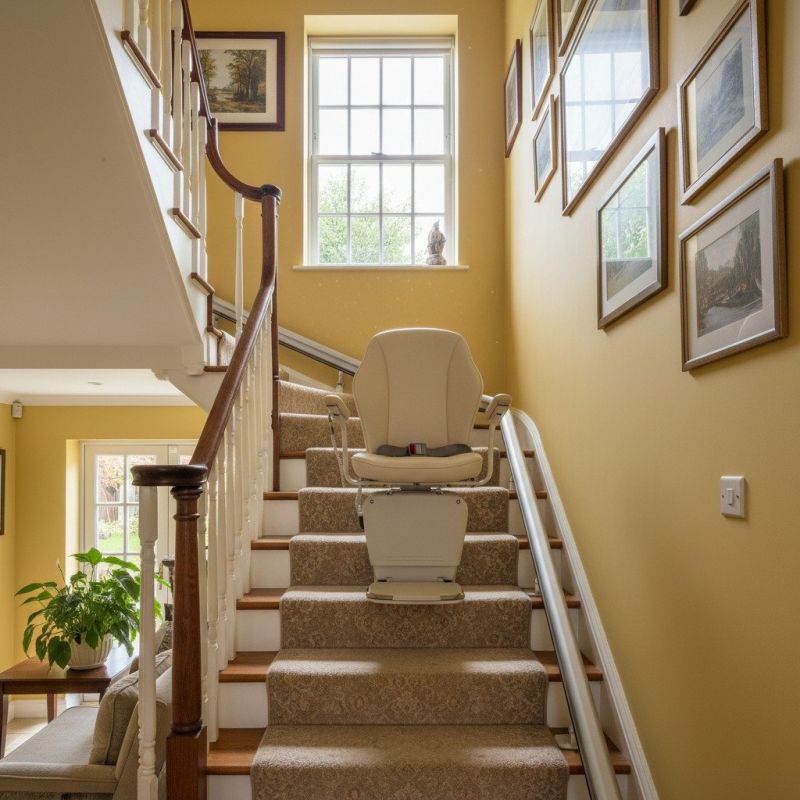
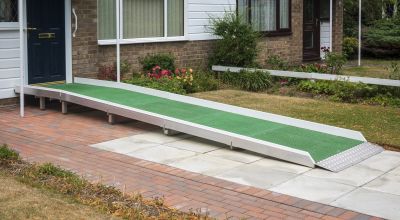
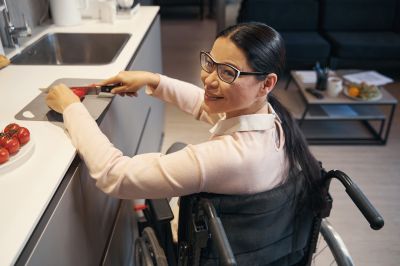
Disability home modification services involve making adjustments to a property to improve accessibility and safety for individuals with mobility challenges or other disabilities. These modifications can include installing ramps, widening doorways, adding grab bars, or adjusting bathroom layouts to better accommodate wheelchair users or those with limited mobility. The goal is to create a living space that supports independence and reduces the risk of accidents or injuries within the home.
These services help address common problems such as difficulty navigating stairs, trouble entering or exiting the home, or challenges performing daily tasks safely. For many homeowners, modifications can make a significant difference in maintaining independence and comfort. Whether it’s making a bathroom more accessible or creating a barrier-free entryway, these adjustments are designed to meet specific needs and improve overall quality of life.
Disability home modification work is typically performed on a variety of property types, including single-family homes, townhouses, and even some multi-unit residences. Homes that have not been updated for accessibility or are aging may benefit from such modifications. These services are especially relevant for homes where residents have experienced a decline in mobility, have a chronic condition, or are aging in place and wish to remain in their current residence comfortably and safely.
Local service providers are experienced in assessing individual needs and recommending suitable modifications. They handle a range of projects, from simple adjustments to more extensive renovations, ensuring that the modifications meet the specific requirements of each homeowner. Contacting a professional can help determine the most appropriate solutions to improve accessibility and safety within the home environment.
The overview below groups typical Disability Home Modification projects into broad ranges so you can see how smaller, mid-sized, and larger jobs often compare in your area.
In many markets, a large share of routine jobs stays in the lower and middle ranges, while only a smaller percentage of projects moves into the highest bands when the work is more complex or site conditions are harder than average.
Smaller Repairs - Many routine modifications, such as grab bar installations or threshold adjustments, typically cost between $250 and $600. These projects are common and usually fall within this middle range.
Medium-Scale Modifications - More extensive changes like stair lift installations or bathroom grab bar upgrades can range from $1,000 to $3,000. Such projects are frequent but tend to lean toward the mid to higher end of the spectrum.
Major Renovations - Larger modifications, including full bathroom remodels or door widening, often cost between $4,000 and $8,000. These are less common but represent a significant portion of more comprehensive projects.
Full Home Adaptations - Complete accessibility overhauls or major structural changes can exceed $20,000, with some complex projects reaching $50,000+ depending on scope. These are typically high-end projects with fewer occurrences annually.
Actual totals will depend on details like access to the work area, the scope of the project, and the materials selected, so use these as general starting points rather than exact figures.
Bathroom Accessibility Renovations - local contractors can modify bathrooms to include features like walk-in showers, grab bars, and lowered sinks for easier access.
Ramp Installation Projects - local service providers can design and build ramps to improve wheelchair access at entrances and exits.
Kitchen Modifications - local pros can adapt kitchens with lowered countertops, accessible appliances, and open layouts for better mobility.
Doorway and Hallway Widening - local contractors can expand doorways and hallways to accommodate wheelchairs and walkers safely.
Flooring and Surface Adjustments - local service providers can install smooth, non-slip flooring to reduce trip hazards and facilitate mobility aids.
Stairlift and Lift Installation - local pros can install stairlifts or platform lifts to help individuals navigate multi-level homes comfortably.
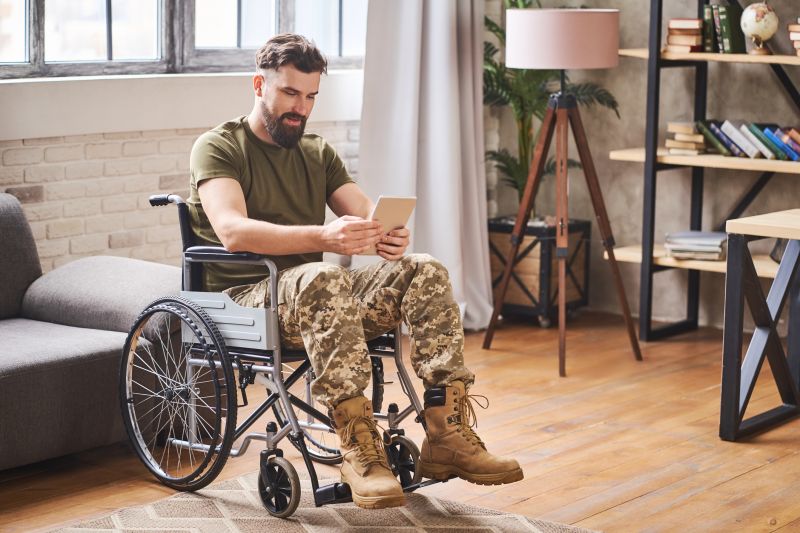
When comparing service providers for disability home modification projects, it’s important to consider their experience with similar types of work. Homeowners should look for local contractors who have a proven track record in completing modifications that address specific accessibility needs. Asking about past projects can help gauge whether a professional has the relevant expertise and familiarity with the unique challenges such projects may present. This background can contribute to a smoother process and a result that meets individual requirements effectively.
Clear, written expectations are a key factor in choosing the right service provider. Homeowners should seek out local pros who are transparent about the scope of work, materials, and any potential limitations. A detailed, written plan helps ensure that everyone is on the same page and reduces the chance of misunderstandings. Clear communication about what will be done, how it will be handled, and what to expect can make the entire modification process more straightforward and less stressful.
Reputable references and good communication are essential when evaluating local contractors. Homeowners are encouraged to ask for references from previous clients who had similar modifications done. Talking to past customers can offer insights into the contractor’s professionalism, reliability, and quality of work. Additionally, service providers who communicate clearly and promptly are more likely to be responsive to questions and concerns throughout the project. This level of communication can help foster a positive working relationship and lead to a more satisfactory outcome for the home modification.
Property owners use Disability Home Modification services for practical projects around their homes and businesses. This guide focuses on everyday jobs and straightforward project options.
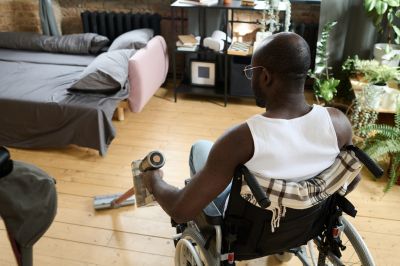
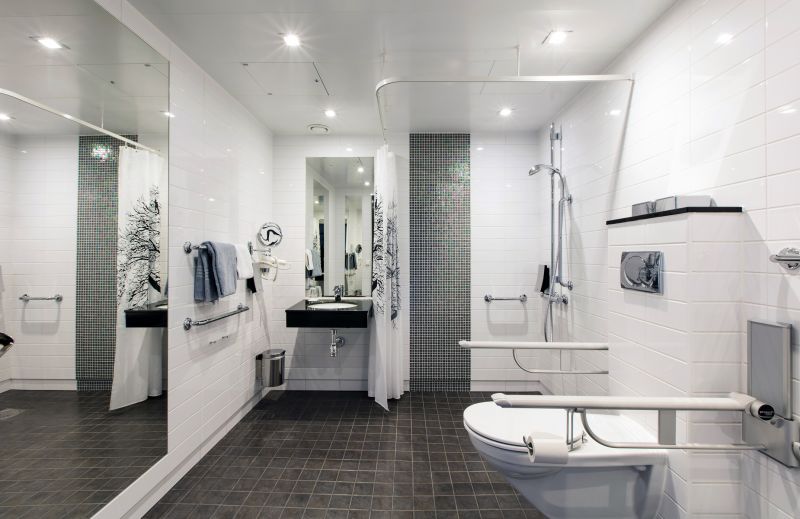
Disability home modification services are often sought by property owners facing everyday situations that make daily living more challenging. This can include installing grab bars in bathrooms, widening doorways for easier wheelchair access, or adjusting kitchen and laundry areas to improve functionality. Homeowners may look for these modifications to enhance safety, increase independence, or accommodate mobility devices, ensuring their living spaces better support their needs.
Local contractors and service providers are experienced in handling a variety of modifications tailored to individual requirements. Whether it’s making entryways more accessible or creating a more user-friendly bathroom, these professionals can evaluate the space and recommend practical solutions. Connecting with local experts can help property owners find the right modifications to improve comfort and usability in their homes.
What types of home modifications are available for disability access? Local contractors can install ramps, grab bars, stair lifts, widened doorways, and bathroom modifications to improve accessibility for individuals with disabilities.
How can home modifications help with mobility challenges? Service providers can customize modifications such as stair lifts and accessible showers to make daily activities easier and safer for those with mobility issues.
Are home modifications suitable for all types of disabilities? Many modifications can be tailored to accommodate various disabilities, including mobility, sensory, and cognitive challenges, by working with local contractors experienced in accessible design.
What should be considered when planning disability home modifications? It’s important to evaluate the specific needs of the individual, the layout of the home, and the types of modifications that will best support independence and safety.
How do I find qualified service providers for home modifications? This website can help connect with local contractors who specialize in disability home modifications, ensuring access to experienced professionals in the area.
Wheelchair Ramp Installation - A property owner can make entrances more accessible by adding ramps, easing daily movement for wheelchair users or those with mobility challenges.
Bathroom Accessibility Upgrades - Local contractors can help modify bathrooms with grab bars, walk-in showers, or lowered sinks to support independent living.
Threshold and Doorway Modifications - Improving doorways by widening or lowering thresholds can facilitate easier passage for mobility aids and reduce tripping hazards.
Stairlift or Vertical Lift Installation - Installing stairlifts or vertical lifts can enable residents to navigate multi-level homes safely and comfortably.
If you are thinking about Disability Home Modification for a property, this guide is meant to help you understand the work, the typical project types, and how different options might fit your plans.
When you are ready, you can use the quote form on this page to share a few details about your project. From there, local pros can review the basics and respond with options that match what you have in mind.